
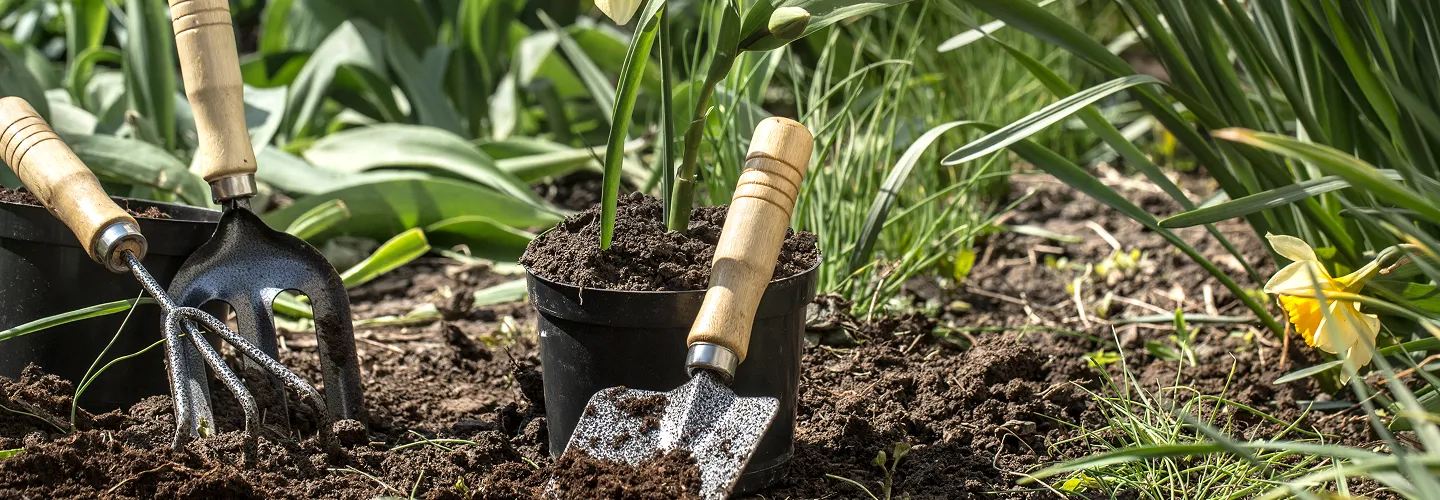
Brookfield Lawn Grubs Control Services
Choose our Lawn Grubs Control for proven, eco-friendly treatments that restore your lawn’s health and prevent future infestations—trusted by Brookfield homeowners for reliable results.
Get a Free QuoteOur Brookfield Landscaping & Yard Care Services
When to Schedule Lawn Grubs Control in Brookfield, Connecticut – Seasonal Guide
In Brookfield, Connecticut, timing your lawn grubs control is crucial for effective results and long-term turf health. The optimal period for treatment typically falls between late spring and early summer, just after grubs hatch but before they burrow deeper into the soil. Brookfield’s climate, with its distinct seasons and moderate humidity, means that soil temperatures and moisture levels can vary significantly from neighborhoods near Candlewood Lake to those closer to the Still River Greenway. Monitoring local frost dates is essential, as early thawing can accelerate grub activity, while late frosts may delay their emergence.
Local environmental factors such as the prevalence of shaded yards in the Whisconier area, sandy soils near Brookfield Center, and the risk of summer droughts all play a role in determining the best time for application. Homeowners should also be aware of municipal guidelines and resources, such as those provided by Sudbury’s local government, to ensure compliance with any seasonal restrictions or recommendations.
Local Factors to Consider for Lawn Grubs Control in Brookfield
- Tree density and shade coverage, especially in neighborhoods like Ironworks Hill
- Soil type (sandy vs. clay) and drainage patterns
- Average precipitation and risk of summer drought
- Proximity to water features such as Candlewood Lake
- Municipal restrictions or recommended application windows
- Terrain slope and runoff potential
- Historical grub infestations in your area
Benefits of Lawn Grubs Control in Brookfield

Effective Grub Elimination
Healthier, Greener Lawns
Eco-Friendly Treatment Options
Experienced Landscaping Professionals
Customized Lawn Care Plans
Long-Term Pest Prevention
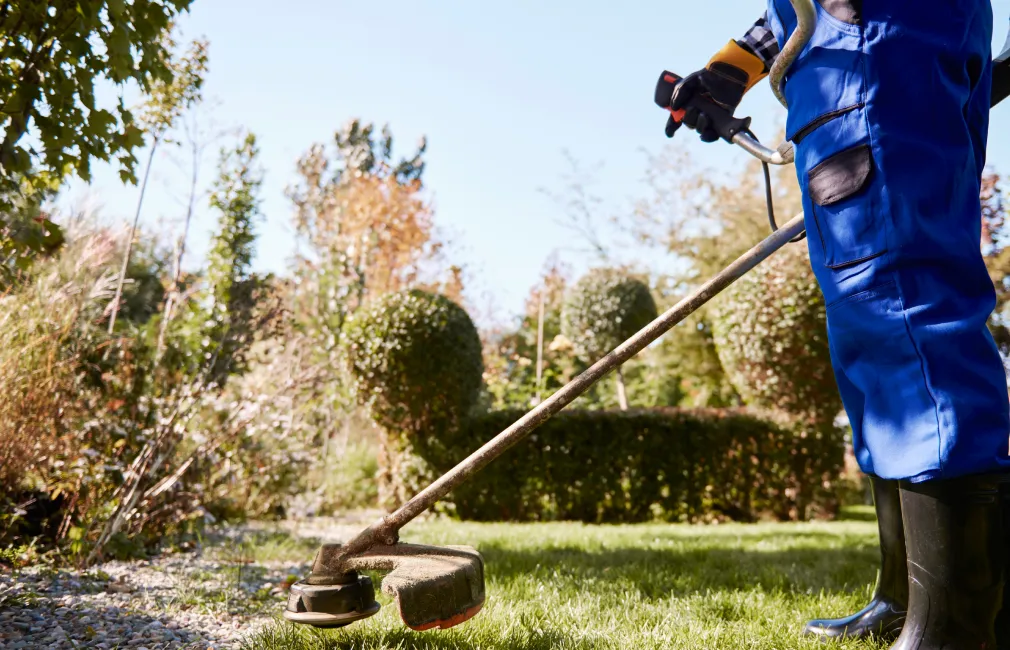
Brookfield Lawn Grubs Control Types

Chemical Lawn Grub Treatments
-
Organic Grub Control Solutions
-
Biological Grub Management
-
Preventative Lawn Care Practices
-
Seasonal Grub Monitoring
-
Soil Health Improvement
-
Targeted Spot Treatments
Our Lawn Grubs Control Process
Inspection and Identification
Customized Treatment Plan
Targeted Application
Monitoring and Follow-Up
Why Choose Brookfield Landscape Services
-
Brookfield Homeowners Trust Us
-
Expert Lawn Maintenance
-
Reliable Seasonal Cleanup
-
Competitive Pricing
-
Professional Team
-
Satisfaction Guarantee
-
Personalized Service
Brookfield’s Glacial Till Soils and Their Impact on Lawn Grubs Control
Brookfield’s predominant soils, as identified by the USDA Web Soil Survey, are glacial till Inceptisols and Ultisols, characterized by moderate acidity (pH 5.5-6.5), rocky sublayers, and variable drainage. These conditions influence both the prevalence of lawn grubs and the effectiveness of control measures. Poorly drained areas, especially those with a seasonal water table at 12-18 inches, are more susceptible to grub infestations due to increased turf stress. For optimal results, core aeration to a depth of 2-3 inches is recommended prior to treatment. Soil testing through UConn Extension (typical cost: $15-25) is advised to determine pH and nutrient status. Amendments such as lime may be necessary for pH below 6.0. Residents should avoid overwatering, as excessive moisture exacerbates grub problems.
Brookfield Department of Public Works
100 Pocono Road, Brookfield, CT 06804
Phone: (203) 775-7318
Official Website: Brookfield Department of Public Works
Seasonal Timing and Application Windows for Grub Control in Brookfield
Effective lawn grubs control in Brookfield requires precise timing aligned with local climate patterns. The town falls within USDA Hardiness Zone 6b, with soil temperatures reaching the critical 50-55°F threshold for grub activity between May 15 and July 15. Preventive treatments, such as granular imidacloprid, should be applied during this window when larvae are young and most vulnerable. Avoid applications after August 1, as mature grubs are less susceptible. Monitor soil temperature using National Weather Service data for the Brookfield area. Key timing guidelines include:
- Preventive treatment: May 15 – July 15 (soil temp 50-55°F)
- Post-emergent treatment: Only if active damage observed, late August – early September
- Avoid: June-August for new seeding (heat stress period) Always follow label rates and re-entry intervals. For complex infestations, consult UConn Extension for integrated pest management recommendations.
Municipal Coordination and Compliance with Brookfield’s Turf Management Ordinances
Lawn grubs control activities in Brookfield must comply with municipal ordinances governing pesticide use, equipment operation, and stormwater protection. Equipment operation is permitted:
- Monday-Friday: 7:00 AM – 7:00 PM
- Saturday: 8:00 AM – 6:00 PM
- Sunday and holidays: Prohibited All chemical applications must maintain a 25-foot buffer from wetlands and watercourses, as required by local code and the Connecticut Environmental Protection Act. Clippings and debris must not be disposed of in storm drains, in accordance with the town’s MS4 permit under the Clean Water Act. For disposal of infested turf or soil, use biodegradable bags or 32-gallon containers for Thursday curbside collection (April-November).
Brookfield Department of Public Works
100 Pocono Road, Brookfield, CT 06804
Phone: (203) 775-7318
Official Website: Brookfield Department of Public Works
Environmental Compliance: Protecting Brookfield’s Wetlands and Waterways During Grub Control
Brookfield contains numerous wetlands, streams, and protected areas, including Candlewood Lake and Still River. All grub control measures must adhere to state and federal environmental regulations. The Connecticut Department of Energy and Environmental Protection (CT DEEP) enforces MS4 stormwater requirements, prohibiting pesticide or fertilizer application within 25 feet of wetlands and 50 feet of open water. Maintain vegetative buffers and avoid runoff by applying products only during calm, dry weather. Key compliance steps:
- Maintain 25-foot no-application zone from wetlands
- Use only EPA-registered products
- Prevent clippings and soil from entering storm drains
- Report spills to CT DEEP immediately For further guidance, consult EPA Region 1 and UConn Extension for best management practices.
Connecticut Department of Energy and Environmental Protection
79 Elm Street, Hartford, CT 06106
Phone: (860) 424-3000
Official Website: Connecticut Department of Energy and Environmental Protection
What Neighborhoods Do We Serve Throughout Brookfield, CT?
- Candlewood Shores: Lakeside properties with sandy loam soils and high water tables require careful buffer management and runoff prevention during grub control.
- Whisconier Village: Older developments with compacted glacial till soils and mature trees are prone to turf stress and higher grub activity.
- Ironworks Hill: Steep slopes and rocky soils demand specialized equipment and erosion control measures for safe and effective treatment.
- Brookfield Center: Historic district with mixed soil types and smaller lots; compliance with local noise ordinances and setback requirements is essential.
- Rollingwood Estates: Newer subdivisions with improved drainage but denser turf, requiring precise timing and integrated pest management.
- Long Meadow Hill: Proximity to wetlands and conservation areas necessitates strict adherence to buffer zones and environmental regulations.
- Obtuse Road Area: Larger lots with variable drainage and occasional flooding; soil testing and tailored treatment plans are recommended.