
Brookfield Green Waste Disposal Services
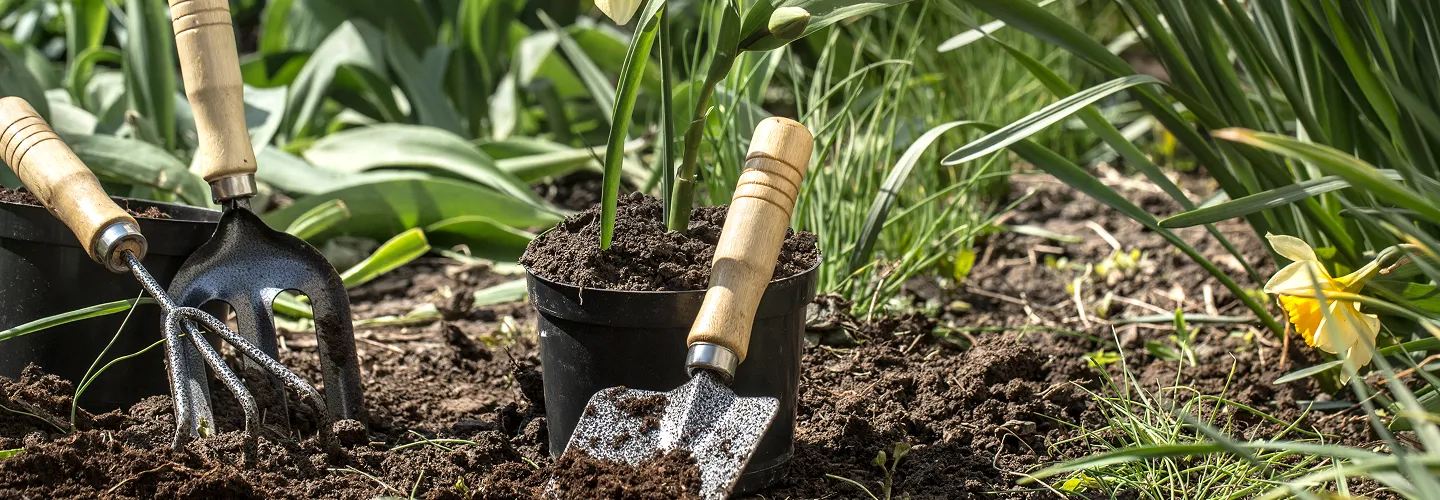
Choose our Green Waste Disposal service for reliable, environmentally responsible removal that keeps your property clean and supports a healthier community. We make it easy to dispose of yard debris while ensuring it’s recycled or composted, not sent to landfill.
Get a Free QuoteOur Brookfield Landscaping & Yard Care Services
When to Schedule Green Waste Disposal in Brookfield, Connecticut – Seasonal Guide
In Brookfield, Connecticut, the best times to schedule green waste disposal are closely tied to our region’s unique climate and landscape. With cold winters and humid summers, timing your disposal around the last spring frost and the onset of autumn leaf drop ensures efficient yard maintenance and compliance with local guidelines. For neighborhoods near Candlewood Lake or the Still River Greenway, the microclimates created by water bodies and wooded areas can affect when debris accumulates and when it’s safe to remove it.
Local environmental factors such as late spring frosts, summer drought risk, and the heavy shade coverage in areas like Whisconier Road or Ironworks Hill all play a role in determining the optimal disposal schedule. Soil types in Brookfield, ranging from sandy loam to clay, also impact how quickly organic material breaks down. For more information on local environmental guidelines, visit the Sudbury municipal resource.
Local Factors to Consider for Green Waste Disposal in Brookfield
- Tree density and species (e.g., heavy oak and maple coverage in certain neighborhoods)
- Terrain and slope, especially in hilly areas like Pocono Ridge
- Seasonal precipitation patterns and risk of summer drought
- Municipal restrictions on disposal dates and accepted materials
- Proximity to water bodies, which can affect humidity and debris accumulation
- Soil type and drainage characteristics
Benefits of Green Waste Disposal in Brookfield
Eco-Friendly Waste Management
Promotes Healthy Landscapes
Convenient Pickup Services
Reduces Landfill Impact
Supports Local Recycling
Cost-Effective Disposal Solutions
Brookfield Green Waste Disposal Types

Grass Clippings
-
Tree Branches
-
Shrub Trimmings
-
Leaves and Foliage
-
Weeds and Garden Debris
-
Wood Chips
-
Mulch Materials
Our Green Waste Disposal Process
Collection of Green Waste
Sorting and Separation
Transport to Disposal Facility
Eco-Friendly Processing
Why Choose Brookfield Landscape Services
-
Brookfield Homeowners Trust Us
-
Expert Lawn Maintenance
-
Reliable Seasonal Cleanup
-
Competitive Pricing
-
Professional Team
-
Satisfaction Guarantee
-
Personalized Service
Brookfield’s Department of Public Works: Green Waste Collection Schedules and Procedures
Green waste disposal in Brookfield is managed through the Department of Public Works, which oversees weekly curbside collection from April through November. Residents must use biodegradable paper bags or rigid containers (32-gallon maximum) for leaves, grass clippings, and brush under 4 feet in length. Plastic bags and branches over 4 inches in diameter are strictly prohibited. Collection occurs every Thursday, with materials placed curbside by 6:00 AM. For larger volumes or off-schedule disposal, the Brookfield Transfer Station accepts green waste during posted hours. Permitted drop-off requires proof of residency and adherence to posted guidelines. Violations of collection rules may result in fines under local ordinance. For detailed program information and updates, contact:
Brookfield Department of Public Works
100 Pocono Road, Brookfield, CT 06804
Phone: (203) 775-7318
Official Website: Brookfield Department of Public Works
Soil and Site Considerations for Green Waste in Brookfield’s Glacial Till Landscapes
Brookfield’s predominant soils, including Charlton-Chatfield and Paxton series, are characterized by glacial till, moderate to high stone content, and moderately acidic pH (5.5-6.5). Poor drainage is common in low-lying areas, with seasonal water tables at 12-18 inches. When disposing of green waste, avoid placing materials in drainage swales or near wetlands to prevent nutrient runoff and soil erosion. Composting on-site is recommended for properties with adequate space, incorporating 2-3 inches of organic matter tilled to a 6-inch depth to improve soil structure. Soil testing is available through UConn Extension for $15-25 per sample, providing guidance on lime or sulfur amendments. For site-specific soil data, consult the USDA Web Soil Survey. Seasonal wetness may delay collection in certain neighborhoods; monitor updates from the Department of Public Works.
Environmental Compliance: Brookfield’s Wetland Buffers and State Stormwater Regulations
Green waste disposal in Brookfield must comply with both local and state environmental regulations. Properties adjacent to wetlands, streams, or Candlewood Lake are subject to a 25-foot no-disturbance buffer, prohibiting dumping or stockpiling of yard debris within this zone. The Connecticut Environmental Protection Act and the town’s MS4 permit under the Clean Water Act prohibit green waste in storm drains or watercourses. Violations may result in enforcement actions by the Conservation Commission or state agencies. Best practices include:
- Maintain 25-foot buffer from all wetlands and water bodies
- Never dispose of clippings or leaves in storm drains
- Use only approved containers for curbside collection
- Report illegal dumping to the Department of Public Works
For regulatory guidance, contact:
Brookfield Conservation Commission
100 Pocono Road, Brookfield, CT 06804
Phone: (203) 775-7316
Official Website: Brookfield Conservation Commission
Connecticut Department of Energy and Environmental Protection
79 Elm Street, Hartford, CT 06106
Phone: (860) 424-3000
Official Website: Connecticut Department of Energy and Environmental Protection
Seasonal Timing and Weather Considerations for Green Waste Disposal in Brookfield
Brookfield’s climate, classified as USDA Hardiness Zone 6b, features cold winters and warm, humid summers. Optimal green waste disposal occurs during the spring (April 15 – June 15) and fall (September 15 – November 30) cleanup windows, when leaf and brush volumes peak. Avoid placing materials curbside during heavy rain events, as saturated soils and high water tables can delay collection and increase the risk of runoff. The National Weather Service New York, NY Office provides local forecasts to help schedule yard work. Key timing guidelines include:
- Spring collection: April 15 – June 15
- Fall collection: September 15 – November 30
- Place materials curbside by 6:00 AM on collection day
- Avoid disposal during forecasted storms or high winds
Monitor the Department of Public Works website for weather-related service changes.
What Neighborhoods Do We Serve Throughout Brookfield, CT?
- Candlewood Shores: Steep slopes and proximity to Candlewood Lake require strict adherence to 25-foot wetland buffers and careful management of runoff during green waste disposal.
- Whisconier Village: Dense tree cover and mature landscaping result in high leaf volumes each fall, necessitating frequent curbside collection and on-site composting options.
- Ironworks Hill: Historic properties and narrow streets may limit equipment access; residents should use approved containers and avoid blocking roadways on collection days.
- Brookfield Center: Mixed commercial and residential zoning requires coordination with the Department of Public Works for large-scale debris removal and compliance with local ordinances.
- Long Meadow Hill: Larger lots and clay-rich soils can lead to drainage challenges; proper placement of green waste away from swales and ditches is essential.
- Obtuse Road Area: Proximity to conservation lands and wetlands increases the importance of buffer compliance and prohibits dumping in protected zones.
- Rollingwood Estates: Newer developments with HOA guidelines may have additional restrictions on container types and collection schedules; verify with local association rules.